 Skip to content
Meniscus Repair
Meniscus Tear Care Near You in New Jersey
Key Takeaways
- Meniscus repair is a minimally invasive procedure that stitches torn cartilage back together rather than removing it.
- It’s the preferred option for tears in the outer meniscus, where blood supply supports healing.
- Most patients return to sports and full activity within four to six months with proper rehabilitation.
- Interventional Spine & Surgery Group offers a collaborative approach to treatment, ensuring you receive the right treatment to ensure you heal after your meniscus repair.
Why Choose Meniscus Repair?
- Tears in the outer third of the meniscus, where the blood supply enables healing
- Acute tears, especially if they happened within the past few weeks
- Vertical tears, which respond better to repair than complex or degenerative tears
- Concurrent anterior cruciate ligament (ACL) tears
- Younger, active patients with healthy tissue
Preparing for Meniscus Repair Surgery
- A thorough consultation with your surgeon to review imaging, discuss expectations, and answer questions
- Pre-operative lab work or medical clearance, depending on your age and health history
- Stopping certain medications, like blood thinners and nonsteroidal anti-inflammatory drugs, at least one week before surgery
- Fasting for at least eight hours before your procedure if general or regional anesthesia is being used
- Arranging for a driver, since you won’t be able to drive yourself home after surgery
- Setting up your recovery space at home, including ice packs, a recliner or elevated surface for the leg, crutches nearby, and essentials within reach
How Meniscus Repair Surgery Is Performed
- Your surgeon makes two to three small incisions around the knee.
- The surgeon inserts a thin camera, called an arthroscope, through one incision, allowing them to see inside the joint on a monitor.
- Your surgeon looks at and evaluates the torn area. They’ll trim away any damaged or frayed tissue at the margins to create a clean surface that can heal.
- Your surgeon will pass sutures through the other incisions to stitch the torn tissue back together.
- After it’s repaired, your surgeon will inspect the repair to confirm it’s secure and positioned correctly.
- The surgeon will then close the incisions with small sutures or surgical tape and bandage your knee.
Recovery After Meniscus Repair Surgery
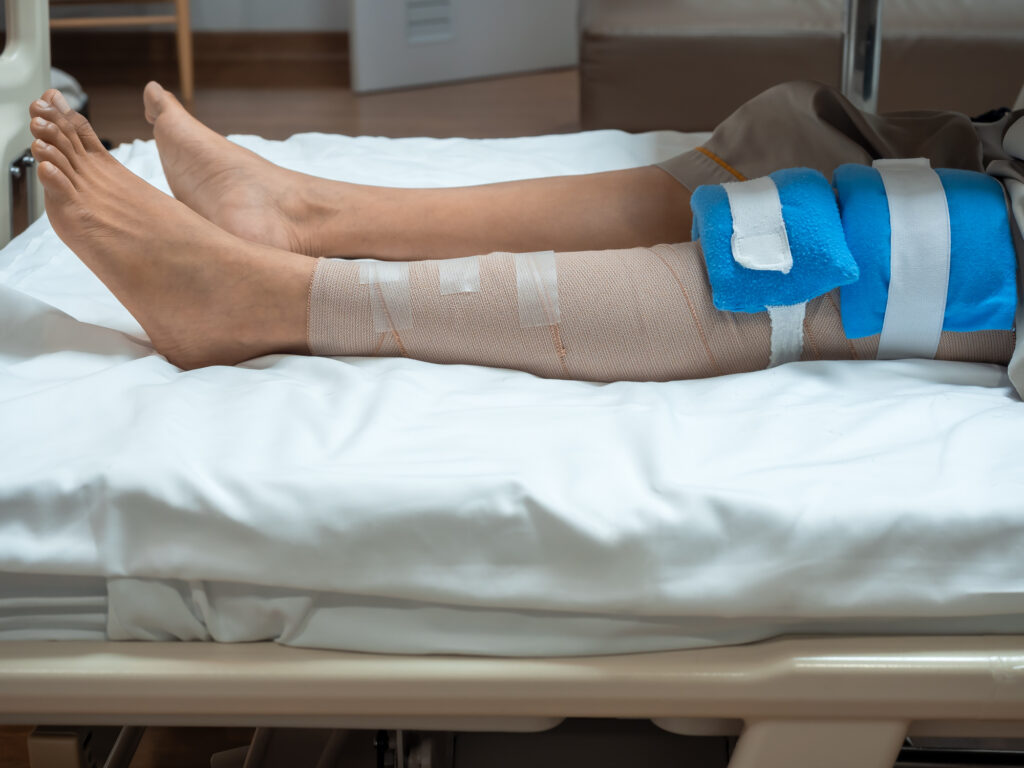
- Weeks 1-2: You’ll be on crutches to avoid putting weight on your knee. Pain and swelling are normal, but rest, ice, and elevation should help.
- Weeks 2-6: You’ll start to gradually progress to weight-bearing. You’ll also begin physical therapy.
- Weeks 6-12: Strength training will intensify. You’ll work on rebuilding quad and muscle strength, improving balance, and restoring your normal gait.
- Months 3-4: You’ll start to introduce low-impact activity, such as cycling or swimming.
- Months 4-6: Depending on your healing, strength testing, and functional assessments, your doctor may begin clearing you to return to sports.
Follow-Up Care After Meniscus Repair Surgery
- One to two weeks post-op includes a wound check, suture removal, and a review of your early progress
- Four to six weeks post-op includes imaging and a clinical assessment to evaluate early healing and whether you can start therapy
- Three months post-op includes a functional assessment and a discussion of your future goals
- Six months post-op is when you could be cleared to return to full activity
Why Choose Interventional Spine & Surgery Group?
When it comes to meniscus repair, you want to choose a surgeon who is experienced and supported by a strong team. At Interventional Spine & Surgery Group, you’re getting a skilled orthopedic surgeon and a full multidisciplinary practice that supports your care from your first consultation to your final rehab appointment.
Our team includes pain management specialists, chiropractors, physical therapists, and more. Every patient receives coordinated, comprehensive care in a fast timeframe. We don’t hand you off after surgery, and we’re with you through every stage of recovery. Here, we can see you now, we care, and we’ll help you get better. Our goal is to treat you right away, so you don’t have to continue dealing with pain.
Find Expert Meniscus Repair Near You in New Jersey
Frequently Asked Questions About Meniscus Repair
What is meniscus repair surgery?
How is meniscus repair performed?
What conditions are treated with meniscus repair?
How long does it take to recover from meniscus surgery?
What is the success rate of meniscus repair surgery?
What happens if meniscus surgery isn’t done?
Who should consider meniscus repair surgery?
Can I return to sports after meniscus repair?
Meniscus repair surgery is an arthroscopic procedure that repairs torn cartilage within the knee joint. The goal is to preserve as much healthy meniscal tissue as possible.
Most meniscus repairs are minimally invasive procedures, done using small incisions, a camera, and specialized surgical instruments to stabilize the torn cartilage.
Meniscus repair is commonly used to treat traumatic meniscus tears, unstable tears, locking symptoms, and certain tears associated with ligament injuries.
Recovery varies depending on the severity of the tear and the type of repair performed. Many patients require several months of rehabilitation before returning to full activity.
Success rates are generally favorable. You’ll have a better outcome if you seek medical attention right after your injury and follow your rehab plan.
Untreated meniscus tears may lead to chronic pain, instability, cartilage damage, worsening symptoms, and increased arthritis risk.
Patients with tears causing pain, instability, locking, or a limited range of motion may benefit from surgery.
Yes. Many athletes successfully return to sports after they complete rehab. However, timelines vary depending on their progress.
