 Skip to content
Shoulder Arthroscopy
Shoulder Arthroscopy Near You in New Jersey
Key Takeaways
- Shoulder arthroscopy can help treat rotator cuff tears, shoulder instability, labral tears, frozen shoulder, and shoulder impingement.
- The procedure uses a specialized tool, called an arthroscope, to improve visualization and reduce surgical trauma.
- Interventional Spine & Surgery Group provides fast access to patient-centered care at locations throughout New Jersey.
Why Choose Shoulder Arthroscopy?
- Rotator cuff tears
- Labral tears
- Impingement and inflammation
- Recurrent dislocations
- Loose bodies, such as stray cartilage or bone
What Should I Expect Before Shoulder Arthroscopy?
- Arranging for a ride home and for help around the house for the first few days after the operation
- Gathering appropriate clothing for after the procedure, including button-down or zip-front shirts, as pullover shirts will be difficult to put on your healing shoulder
- Ordering any medical equipment that your surgeon recommends, such as a shoulder immobilizer or ice therapy machine
- Fasting after midnight the night before your procedure
- Showering with a special antibacterial soap the night before your procedure to reduce the risk of infection
How Is Shoulder Arthroscopy Performed?
Since shoulder arthroscopy is minimally invasive, it is typically performed as an outpatient procedure.
This means you can go home on the same day as the procedure. Dr. Sean Lager, a board-certified
orthopedic surgeon, performs shoulder arthroscopies at Interventional Spine & Surgery Group. The
process of shoulder arthroscopy typically takes one to two hours and goes as follows:
- The anesthesiologist will use general anesthesia to put you asleep unless the doctor recommends a regional nerve block.
- The surgeon will inject saline into the shoulder joint to expand it and provide sufficient room to work.
- Once you’re sedated, the surgeon makes a small incision around the shoulder.
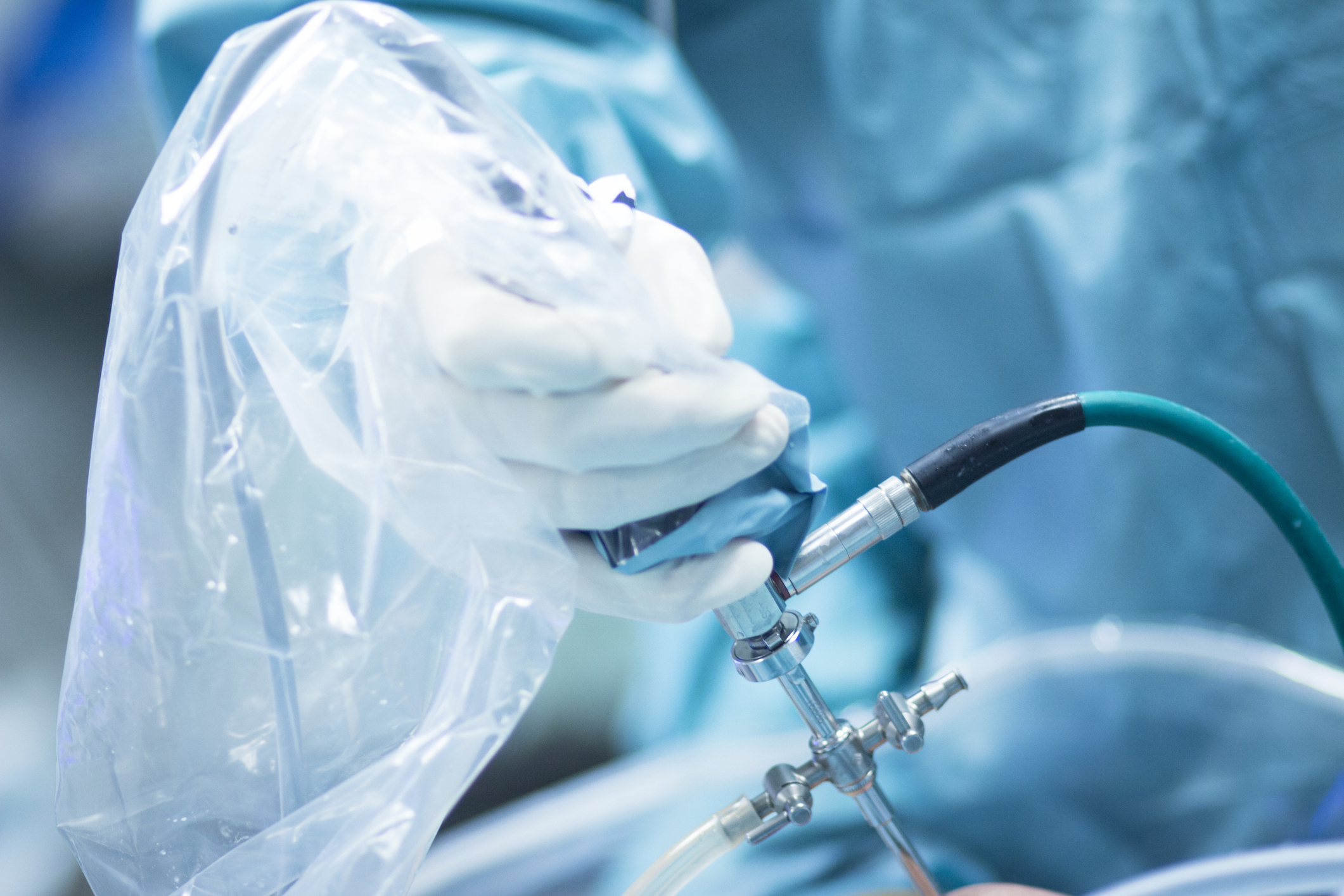
- The surgeon inserts the arthroscope, a thin instrument with a camera and a light that provides a live video feed, into the incision.
- Depending on the reason for the arthroscopy, the surgeon will either inspect the joint for diagnostic purposes or perform surgical repairs using the instruments and live video guidance.
- If repairs are needed, the surgeon will make one to three more incisions to insert other specialized tools that help him work.
- After the diagnosis or repairs are complete, the surgeon drains the saline and closes the incisions with stitches.
- The surgeon will cover the incisions with a clean bandage.
Dr. Lager prefers to use minimally invasive methods like arthroscopy whenever suitable to reduce tissue
trauma, provide a lower risk of infection and complications, and promote a faster healing process.
What Should I Expect from Recovery After Shoulder Arthroscopy?
- Wearing a sling: For a week or more post-op, you’ll need to wear a sling or immobilizer at all times, including while sleeping. This helps allow the repaired tissue to heal and prevents re-injury.
- Managing pain and swelling: Bruising and swelling are common after shoulder arthroscopy. You can take prescribed or over-the-counter medications and apply ice to help reduce the swelling and pain.
- Caring for your wound: Make sure to keep your incisions clean and dry to prevent infection. Stitches are often removed around 10 to 14 days post-op.
- Attending physical therapy: Physical therapy is a major part of recovery. You will attend sessions two to three times a week, where the therapist will gradually progress your exercises as you heal. This helps you improve your range of motion, rebuild strength, and prevent re-injury.
What Follow-Up Care Is Needed After Shoulder Arthroscopy?
Why Choose Interventional Spine & Surgery Group?
When you’re in pain or discomfort, fast access to patient-centered care is critical. At Interventional
Spine & Surgery Group, we prioritize prompt appointments and treatments to help our patients feel
better, faster. Our orthopedic surgeries are performed by Dr. Sean Lager, who has vast experience with
arthroscopic shoulder procedures and other minimally invasive procedures. Interventional Spine &
Surgery Group also offers several other benefits to our patients, including:
- A multidisciplinary team that includes orthopedic surgeons, pain management specialists, chiropractors, physical therapists, and more
- Nine conveniently located offices in central and northern New Jersey
- Internal communication that allows for same-day or next-day care, even if a specific physician is unavailable
- An end-to-end care model that removes the burden of coordination from patients
- Experience with trauma, sports injuries, and complex cases
Find Expert Shoulder Care Near You in New Jersey
Frequently Asked Questions About Shoulder Arthroscopy
What conditions can be treated with shoulder arthroscopy?
How long does shoulder arthroscopy take?
What are the risks of shoulder arthroscopy?
How soon can I return to work after shoulder arthroscopy?
Will I need physical therapy after shoulder arthroscopy?
How effective is shoulder arthroscopy for rotator cuff tears?
How long does it take to recover from shoulder arthroscopy?
What happens if shoulder arthroscopy doesn’t work?
Conditions that can be treated with shoulder arthroscopy include rotator cuff tears, shoulder instability, labral tears, frozen shoulder, and shoulder impingement.
Shoulder arthroscopy typically takes between one and two hours.
Shoulder arthroscopy is generally safe and effective, but there are still some risks. They include infection, stiffness, nerve or blood vessel damage, and the potential for a failed repair.
It depends on your job. For sedentary or desk jobs, you can typically return within one to three weeks. For hard labor jobs, it can take anywhere from three to six months.
Yes, you’ll need physical therapy after shoulder arthroscopy to help rebuild strength, improve range of motion, and reduce the risk of re-injury.
Shoulder arthroscopy is highly effective for rotator cuff tears, with success rates between 85% and 95% for pain relief and improved function.
It varies depending on whether your arthroscopy was for diagnostic or treatment purposes. However, it typically ranges from one to six months for a return to daily activities, with the recovery of full strength and mobility requiring six to 12 months.
If a shoulder arthroscopy doesn’t provide effective symptom relief, doctors typically recommend trying non-surgical treatments like physical therapy or medication first. If they fail, a more complex revision surgery or a shoulder joint replacement may be necessary.
