 Skip to content
Rotator Cuff Tear Treatment
Rotator Cuff Tear Treatment Near You in New Jersey
A rotator cuff tear is a common injury that can lead to pain, weakness, and limited mobility. Prompt
evaluation is important to prevent a small tear from progressing into irreversible joint damage. At
Interventional Spine & Surgery Group, we provide both non-surgical and surgical rotator cuff tear
treatment for patients throughout central and northern New Jersey. We aim to see patients quickly, so
they don’t have to live in pain while waiting for an appointment. Learn more about rotator cuff tears
and our patient-centered treatment near you in New Jersey.
Key Takeaways
- A rotator cuff tear occurs when one of the four tendons of the shoulder joint detaches from the humerus.
- A rotator cuff tear can lead to symptoms such as sharp pain, reduced mobility, arm weakness, and clicking or popping sounds.
- Diagnosing a rotator cuff tear involves a physical exam, imaging scans, and diagnostic tests.
- Treatments for a rotator cuff tear include activity modifications, physical therapy, medications, joint injections, and surgery.
- Interventional Spine & Surgery Group provides non-surgical and surgical rotator cuff tear treatment in Central and Northern New Jersey.
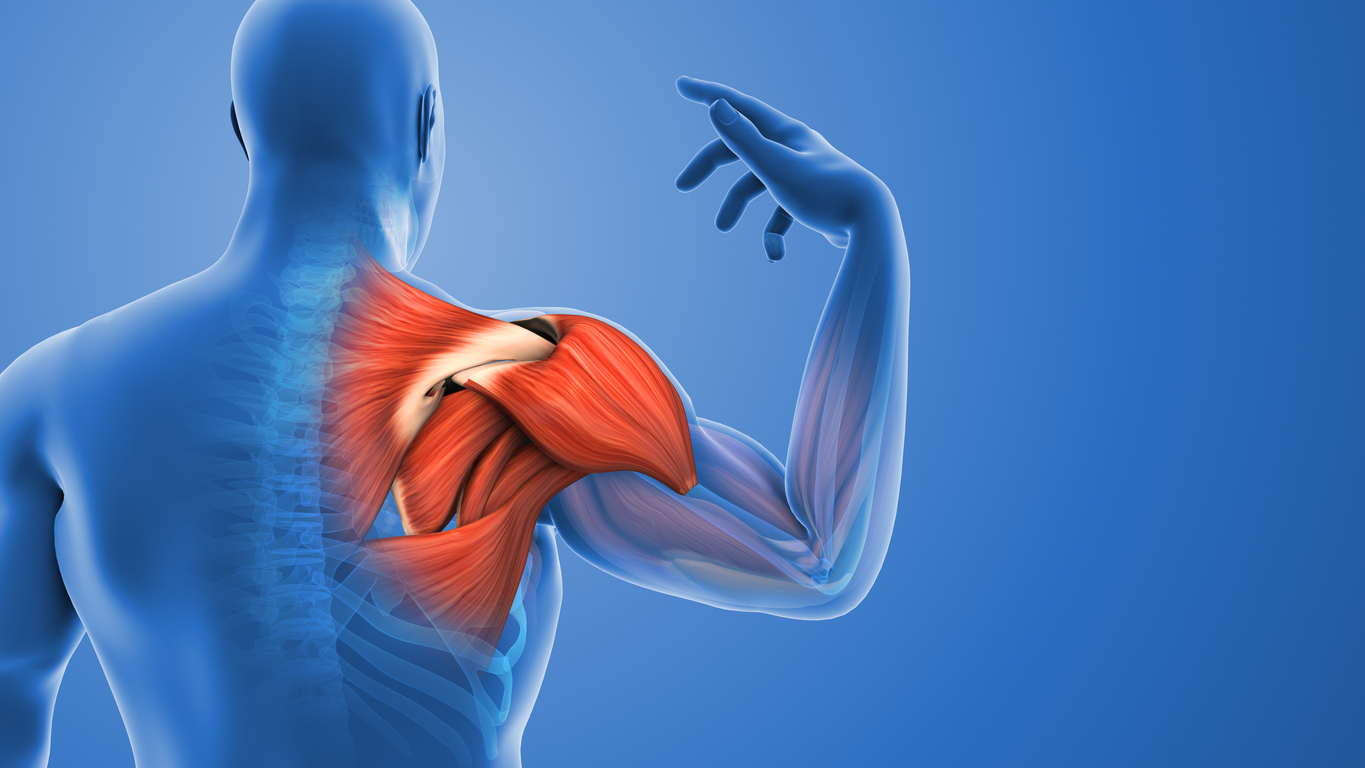
What Is a Rotator Cuff?
The rotator cuff is a group of four muscles and tendons that form over the shoulder joint. They help
keep the head of the upper arm bone (humerus) secured in the shoulder socket. The rotator cuff
stabilizes the shoulder joint and allows for various arm movements, including lifting, reaching, and
rotating.
What Is a Rotator Cuff Tear?
A rotator cuff tear occurs when one of the tendons tears away from the humerus, either from repetitive
strain, an acute injury, or degeneration. Tears can be either partial, where the tendon is damaged or
frayed but still connected, or full-thickness, where the tendon is completely detached from the
humerus.
What Causes Rotator Cuff Tears?
There are three main causes of rotator cuff tears:
- Acute injury: A sudden, high-force accident, such as a fall on an outstretched arm or a direct blow, can cause your rotator cuff to tear.
- Overuse: If you repeatedly use your shoulder joint, whether in sports like tennis or swimming or in your job, it can lead to a tear from repetitive stress.
- Age-related degeneration: As people age, the blood supply to their rotator cuff tendons decreases and weakens the tissue. This can make the tendons more likely to tear over time.
There are also certain risk factors that can make a person more likely to experience a rotator cuff tear.
They include being over age 40, participating in sports or jobs with repetitive overhead motions,
smoking, and having poor posture.
What Are Signs and Symptoms of a Rotator Cuff Tear?
If you have a shoulder injury, you may not be sure if it’s a rotator cuff tear or something more minor like
bursitis or tendonitis. Early warning signs of a rotator cuff tear include:
- Dull, deep shoulder pain, especially when lifting your arm overhead
- Pain that worsens when you lie on the affected side
- Noticeable arm weakness
- Limited range of motion
- Clicking or popping sounds when moving your arm
If you have these symptoms, it’s a good idea to get evaluated to determine what the cause is and
whether you need treatment. If you notice sudden intense pain, can’t move your arm, or have
numbness or tingling down the arm, you should seek evaluation promptly. Seek immediate medical
attention if your shoulder pain is accompanied by chest discomfort, shortness of breath, or fever.
How Are Rotator Cuff Tears Diagnosed?
When you come to Interventional Spine & Surgery Group with shoulder symptoms, a doctor will
perform diagnostic tests to determine whether the cause is a rotator cuff tear, strain, or another injury.
The process typically includes:
- Physical exam: The doctor will review your medical history and any previous injuries. They will also examine your shoulder to look for swelling or bruising and test your range of motion and strength.
- Diagnostic tests: If they suspect a rotator cuff tear, the doctor may perform diagnostic tests, such as the drop-arm test or resisted external rotation, to determine which of the four tendons is damaged.
- Imaging scans: Imaging scans, typically magnetic resonance imaging (MRI), are used to visualize soft tissues and get highly detailed images of the shoulder. This helps the doctor confirm which tendon is affected and how severe the tear is. X-rays may also be used to rule out other causes of pain, such as fractures or arthritis.
Using the information from the exam, diagnostic tests, and imaging scans, the doctor can confirm the
diagnosis of a rotator cuff tear and start to develop a treatment plan.
What Are the Treatment Options for Rotator Cuff Tears?
Treatment for rotator cuff tears can be either non-surgical or surgical. Almost all patients start with
conservative, non-surgical care before resorting to surgery. Non-surgical treatments may include:
- Rest and activity modification: Doctors often recommend resting the shoulder joint and modifying activities that aggravate the tear. This can include limiting overhead reaching, heavy lifting, and sports like golf, tennis, and swimming.
- Medication: Taking over-the-counter medications, such as nonsteroidal anti-inflammatory drugs (NSAIDs), can help reduce pain and swelling.
- Physical therapy: Physical therapy and rehabilitation are a major part of rotator cuff tear treatment. It involves targeted exercises that strengthen the deltoid and scapular muscles, restoring stability and improving range of motion.
- Injections: Targeted steroid injections may be used if other conservative methods don’t provide effective relief. A corticosteroid medication is injected into the joint to provide temporary relief from pain and inflammation.
If conservative treatments don’t provide pain relief after three to six months, a surgery called rotator
cuff repair may be recommended. It is most often performed with a minimally invasive approach called
arthroscopy, where specialized instruments and a camera are inserted through small incisions to
reattach the torn tendon to the humerus. The surgery may also be performed with a traditional open
procedure, but it is less common.
What Is Recovery Like After Rotator Cuff Tear Treatment?
The recovery timeline after a rotator cuff tear varies based on the type of treatment received, the
severity of the tear, and the overall health of the patient. However, the timeline often ranges from four
to 12 months.
For patients with partial tears that receive non-surgical treatments, recovery can take around three
months or longer. For patients with full-thickness tears that require surgery, recovery is longer and more
involved. Patients must wear slings for four to six weeks post-surgery and participate in physical therapy for many months. However, most patients can resume daily activities within three months. Following
the guidance of your surgeon and physical therapist is crucial to healing properly.
Why Choose Interventional Spine & Surgery Group?
When you’re in pain or discomfort, fast access to patient-centered care is critical. At Interventional Spine & Surgery Group, we prioritize prompt appointments and treatments to help our patients feel better, faster. Interventional Spine & Surgery Group also offers several other benefits to our patients, including:
- A multidisciplinary team that includes orthopedic surgeons, pain management specialists, chiropractors, physical therapists, and more
- Nine conveniently located offices in central and northern New Jersey
- Internal communication that allows for same-day or next-day care, even if a specific physician is unavailable
- An end-to-end care model that removes the burden of coordination from patients
- Experience with trauma, sports injuries, and complex cases
When you choose Interventional Spine & Surgery Group for your care, you’ll be in great hands. We can
see you now, we care, and we’ll help you get better.
Find Expert Rotator Cuff Tear Treatment Near You in New Jersey
If you’re dealing with a rotator cuff tear, get high-quality, patient-centered treatment at Interventional
Spine & Surgery Group. Our team includes surgeons, pain management specialists, physical therapists,
and other specialists who collaborate to provide multidisciplinary care.
At Interventional Spine & Surgery Group, we can see you now, we care, and we’ll help you get better.
Contact us today to schedule an appointment for rotator cuff tear treatment near you in central or
northern New Jersey.
Frequently Asked Questions About Rotator Cuff Tear Treatment
What is a rotator cuff tear, and how serious can it be?
A rotator cuff tear occurs when one of the tendons in the shoulder becomes detached from the humerus. It can be a serious injury, especially if left untreated.
What are the most common causes of a rotator cuff tear?
The most common causes of a rotator cuff tear include:
- Age-related degeneration
- Acute injury
- Repetitive strain from overuse
What symptoms should prompt someone to seek care for a rotator cuff tear?
Symptoms that should prompt someone to seek care for a rotator cuff include severe pain, especially when doing overhead motions or sleeping on the affected side, weakness, limited mobility, and a clicking or popping sound.
How is a rotator cuff tear diagnosed?
A rotator cuff tear is diagnosed through a combination of a physical exam, imaging scans, and diagnostic tests like the drop-arm test.
What non-surgical treatments are available for a rotator cuff tear?
Non-surgical treatments for rotator cuff tears include rest and activity modification, medications, physical therapy, and joint injections.
When is surgery recommended for a rotator cuff tear?
Surgery is recommended for a rotator cuff tear when the tear is severe, causes significant mobility impairment, or hasn’t responded to three to six months of conservative treatment.
How long does recovery from a rotator cuff tear usually take?
It varies based on the severity of the tear and the type of treatment received, but it often ranges from four to 12 months.
What happens if a rotator cuff tear is left untreated?
If a rotator cuff tear is left untreated, it can cause the tear to grow larger, leading to permanent joint damage, muscle weakness, chronic pain, and reduced mobility.
Frequently Asked Questions About Rotator Cuff Tear Treatment
What is a rotator cuff tear, and how serious can it be?
A rotator cuff tear occurs when one of the tendons in the shoulder becomes detached from the
humerus. It can be a serious injury, especially if left untreated.
What are the most common causes of a rotator cuff tear?
The most common causes of a rotator cuff tear include:
- Age-related degeneration
- Acute injury
- Repetitive strain from overuse
What symptoms should prompt someone to seek care for a rotator cuff tear?
Symptoms that should prompt someone to seek care for a rotator cuff include severe pain, especially
when doing overhead motions or sleeping on the affected side, weakness, limited mobility, and a
clicking or popping sound.
How is a rotator cuff tear diagnosed?
A rotator cuff tear is diagnosed through a combination of a physical exam, imaging scans, and diagnostic
tests like the drop-arm test.
What non-surgical treatments are available for a rotator cuff tear?
Non-surgical treatments for rotator cuff tears include rest and activity modification, medications,
physical therapy, and joint injections.
When is surgery recommended for a rotator cuff tear?
Surgery is recommended for a rotator cuff tear when the tear is severe, causes significant mobility
impairment, or hasn’t responded to three to six months of conservative treatment.
How long does recovery from a rotator cuff tear usually take?
It varies based on the severity of the tear and the type of treatment received, but it often ranges from
four to 12 months.
What happens if a rotator cuff tear is left untreated?
If a rotator cuff tear is left untreated, it can cause the tear to grow larger, leading to permanent joint
damage, muscle weakness, chronic pain, and reduced mobility.
